Friday, August 18, 2023

ENGLISH - Early Years (SEDUC)

DOCUMENTO ORIENTADOR
ENGLISH - LÍNGUA INGLESA
Anos Iniciais - Agosto de 2023


A SEDUC disponibilizou o Documento Orientador para as aulas de Língua Inglesa nos anos iniciais do Ensino Fundamental. O material traz esclarecimentos quanto ao uso dos slides e dos cadernos impressos para os estudantes. O documento apresenta as considerações metodológicas dos materiais impressos e digitais de Inglês para essa etapa do EF, o objetivo geral e a estrutura desses materiais, as orientações metodológicas, sugestões de aprofundamento e avaliação. CLIQUE AQUI para baixar o documento.

Thursday, August 17, 2023

Present Perfect

QUANDO USAR O PRESENT PERFECT


Dominar o present perfect é essencial para quem deseja alcançar um nível avançado na Língua Inglesa.

Por Redação Wizard
10 de agosto de 2023


O que é o Present Perfect?
O present perfect é um tempo verbal composto, formado pelo uso dos auxiliares have ou has junto com o particípio passado do verbo principal. Ele é utilizado para descrever ações que ocorreram em algum momento do passado, mas que têm relevância ou conexão com o presente. Além disso, pode ser usado para expressar ações que ocorreram repetidamente até o presente.
  • Para formar o past participle, acrescenta-se o -ed no fim de verbos regulares;
  • Alguns verbos mudam sua escrita ao acrescentar o -ed (o verbo to study se transforma em studied, por exemplo);
  • E alguns verbos não seguem as regras usuais dos verbos regulares, sendo eles irregulares.
Para he, she e it, você usa has. Já para as demais pessoas, o correto é have.
Tendo como base o que é o present perfect, vamos estudar alguns usos do tempo verbal.

Diferença entre Present Perfect e Past Simple
A principal diferença entre o present perfect e o past simple é o foco temporal. O present perfect se concentra na conexão entre o passado e o presente, enquanto o past simple se refere a ações concluídas no passado, sem relação com o momento atual.
Exemplos:
Present Perfect: I have visited Paris several times. (Eu já visitei Paris várias vezes.)
Past Simple: I visited Paris last year. (Eu visitei Paris no ano passado.)

Quando se usa o Present Perfect

1. Ações que acabaram de acontecer
Pode ser empregado para designar ações que acabaram de ocorrer no momento da fala. Usualmente trazem novas informações à conversa, por exemplo:
  • I’ve just seen him on the corner. – Eu acabei de vê-lo na esquina.
  • I’ve just lost five bucks. – Acabei de perder seis reais.
Perceba que, ao falarmos de ações que acabaram de acontecer, a estrutura ganha o termo just:
  • subject + have/has + JUST + past participle

2. Ações que começaram no passado e ainda acontecem no presente
Com o present perfect, você pode se referir a ações que se iniciaram em um tempo qualquer no passado e ainda continuam acontecendo no momento da fala. Nesses casos é possível perceber que o present perfect é focado mais na ação em si do que em quando ela aconteceu. Veja os exemplos:
  • They have studied a lot for the exams. – Eles têm estudado muito para os exames / Eles estudaram muito para os exames – aqui, o que importa, não é quando eles começaram a estudar, mas sim que eles começaram a ação no passado e continuam fazendo isso no período presente.
  • She has worked in the same place for the last seven years. – Ela trabalha no mesmo lugar há 7 anos. / Ela vem trabalhando no mesmo lugar pelos últimos 7 anos. – Ela começou a trabalhar há 7 anos e isso continua sendo sua realidade (em Português, quando queremos expressar essa ideia, usamos o presente: eu trabalho nesta empresa há 3 anos).
  • John and Sarah have lived at the same place since I met them. – John e Sarah moram no mesmo lugar desde que eu os conheci.
Perceba que, em todos os exemplos, o present perfect funciona para dar um foco maior à ação e à sua ideia de continuidade até o tempo presente.

3. Ações que aconteceram no passado e ainda possuem efeitos no presente
O present perfect pode tratar de ações que aconteceram no passado e não necessariamente continuam ocorrendo no presente, mas ainda geram algum resultado no agora. Veja o exemplo:
  • Where are your glasses? – Onde estão seus óculos?
  • I don’t know. I’ve lost them! – Eu não sei. Eu os perdi!
Perceba que no caso acima o ato de perder os óculos aconteceu em algum momento do passado e não continua acontecendo no presente. Porém, os efeitos da perda ainda impactam o momento da fala, visto que o interlocutor está sem os óculos porque os perdeu.

4. Ações que ocorreram em um tempo não preciso
O present perfect também pode ser utilizado para designar algo que ocorreu no passado e que não é possível saber ou não interessa exatamente quando. Nesse sentido, perceba novamente que o tempo verbal procura dar ênfase à ação realizada, e não ao tempo. Veja:
  • She has lived in Amsterdam for a while. – Ela morou em Amsterdã por um tempo.
  • I have eaten French fries only once! – Eu comi batatas fritas apenas uma vez!
  • They have been to Rio de Janeiro. – Eles estiveram no Rio de Janeiro.

5. Coisas que você nunca fez
Como resposta às perguntas anteriores, você pode utilizar a estrutura has/have never para falar sobre coisas que você ou alguém nunca fez, como:
  • I have never been to China. – Eu nunca estive na China.
  • I have never watched The Godfather. – Eu nunca assisti O Poderoso Chefão.

Estrutura do Present Perfect


Present Perfect: forma afirmativa
A estrutura afirmativa segue a sequência de sujeito + auxiliar have ou has (se o sujeito for he, she ou it) + past participle. Vejamos alguns exemplos:
  • I have eaten the whole chicken and now I am feeling sick. – Eu comi o frango inteiro e agora eu estou me sentindo enjoado.
  • You have worked here since March. – Você trabalha aqui desde março.

Present Perfect: forma negativa
A estrutura negativa é formada com a inserção de not após os verbos auxiliares has ou have. Veja:
They have not visited us for the last six years. – Eles não nos visitam há seis anos.
She has not studied since she left the school. – Ela não estuda desde que deixou a escola.

Present Perfect: forma interrogativa
Você pode usar o present perfect para perguntar se alguém já fez algo, sem necessariamente precisar quando.
  • Have you eaten korean food? – Você comeu comida coreana?
  • Have you watched The Godfather? – Você assistiu O Poderoso Chefão?
A expressão have you ever é empregada quando você quer perguntar se alguém já fez algo na vida, deixando mais forte a ideia de imprecisão temporal. Veja:
  • Have you ever been to China? – Você já esteve na China?
  • Have you ever visited the Louvre Museum? – Você já visitou o Museu do Louvre?

Present Perfect Continuous
O present perfect continuous também se coloca em um meio termo entre o passado e o presente do Português. Entretanto, esse tempo verbal serve para dar uma ênfase ainda maior às ações e sua continuidade. É formado pela seguinte estrutura:
  • Has/have + been + verbo com -ing
Abaixo, veja os principais casos em que o present perfect continuous é utilizado.

Ações que terminaram recentemente
Você pode usar o present perfect continuous para se referir a ações que terminaram há pouco ou imediatamente antes do momento da fala. Veja:
  • You look tired. What have you been doing? – Você parece cansado. O que você esteve fazendo?
  • Paul won’t come. He has been working hard. – Paul não virá. Ele estava trabalhando pesado.
Veja as mesmas frases com o uso do past simple, que pede uma referência de tempo:
  • You look tired. What did you do today? – Você parece cansado. O que fez hoje?
  • Paul won’t come. He worked very hard yesterday. – Paul não virá. Ele trabalhou pesado ontem.
Perceba que com o past simple as ações parecem mais distantes, relacionadas a momentos mais anteriores à fala. Já o present perfect continuous traz uma ideia de proximidade, deixando claro que o término recente das ações é o que motivou a situação vista no momento da fala.

Ações que começaram no passado e se estendem até o presente
O present perfect continuous também serve para designar ações que começaram em um certo momento do presente e continuam até o momento da fala. Veja:
  • She’s been watching TV for the whole weekend. – Ela está assistindo TV o final de semana todo.
  • I have been studying hard since last month. – Eu estou estudando firme desde o mês passado.
Em comparação com o present perfect, o present perfect continuous dá uma ênfase muito maior às ações e à sua continuidade. Veja o exemplo:
  • I’ve written a book. – Eu escrevi um livro.
  • I’ve been writing a book. – Eu venho escrevendo um livro.
Perceba que na primeira frase o foco principal da construção é o fato de o interlocutor ter terminado a escrita do livro, independentemente de quando isso aconteceu. Já na segunda oração, a organização do verbo dá ênfase à atividade em si, sem determinar se ela já foi finalizada ou não.

Pense na seguinte situação: você ficou um bom tempo esperando por um amigo e quer deixar bem claro para ele como isso foi cansativo. Qual estrutura se encaixa melhor na situação, present perfect ou present perfect continuous?

  • I have been waiting for you since yesterday. – Estou esperando por você desde ontem.
Perceba como a construção da frase deu um foco bem maior ao próprio processo de espera, evidenciando-o na fala.

Outros estudos importantes do Present Perfect
Há outros conteúdos que são fundamentais para te ajudar a construir suas frases no present perfect, por exemplo:

Since e for
São duas preposições comumente empregadas nas estruturas do present perfect e do present perfect continuous. For é utilizada seguida de um período de tempo, por exemplo:
  • I have been watching the same video for the last twenty minutes! – Eu estou assistindo o mesmo vídeo pelos últimos vinte minutos!
  • They have been waiting for six hours. – Eles estão esperando por seis horas.
Já a preposição since é empregada seguida de algo que marca o início do período, veja:
  • I have been watching TV since I came home. – Estou assistindo TV desde que cheguei em casa.
  • They have been working since I left them. – Eles estão trabalhando desde que os deixei.

Just, already e yet
Esses advérbios são comumente usados nas estruturas do present perfect. Confira a postagem anterior sobre esses advérbios.

Conclusão
Enfim, com estudo e prática, o uso do present perfect fica fácil de ser assimilado, bem como o do present perfect continuous. A prática é o que leva quem estuda a trilhar o caminho da fluência em Inglês, lembre-se disso.

Adaptado de: https://www.wizard.com.br/idiomas/present-perfect-como-utilizar/. Acesso em: 17 ago. 2023. Copyright © 2023 Wizard by Pearson. Todos os direitos reservados.

Wednesday, August 16, 2023

Adverbs of time

JUST, STILL, YET e ALREADY: 
quando usá-los?


01 de agosto de 2018


Vamos abordar os advérbios de tempo just, still, yet e already, que costumam causar confusão para quem está aprendendo Inglês. Será que você sabe o uso correto de cada um deles?

Still
É utilizado para designar uma ação contínua que não se alterou e nem foi interrompida com o tempo. No Português, pode ser entendido como ainda. Geralmente still vai no meio da frase junto com o verbo, como você vê nos exemplos:
  • Is she still working? It’s almost midnight! – Ela ainda está trabalhando? Já é quase meia-noite!
  • I tried to talk to him but his mom said he’s still travelling. – Eu tentei falar com ele, mas a mãe dele disse que ele ainda está viajando.
  • I wanna go out, but it’s still raining. – Eu quero sair, mas ainda está chovendo.

Yet
Pode significar ainda ou até agora. O yet é usado principalmente em frases negativas e demonstra que o interlocutor está esperando que algo aconteça ou tenha acontecido.
Geralmente aparece no fim da frase, como nos exemplos:
  • Hasn’t he finished the assignment yet? – Ele não terminou o trabalho ainda? ou Ele não terminou o trabalho até agora?
  • Are you going to the party tomorrow? I don’t know yet. – Você vai à festa amanhã? Eu não sei ainda. (Eu não sei até agora.)

Diferença entre still e yet
Por representarem quase a mesma palavra no Português, é comum misturar o uso das duas palavras. É preciso entender que, no Inglês, eles possuem sentidos diferentes. Para explicar melhor isso, separamos algumas frases que farão um paralelo entre os significados de cada um. Veja:
  • Chris was fired last year and is still unemployed. – Chris foi demitido ano passado e ainda está desempregado.
  • Chris was fired last year and hasn’t found a job yet. – Chris foi demitido ano passado e não arrumou um emprego ainda.
  • It’s 11 o’clock and she is still sleeping. – São 11 horas e ela ainda está dormindo.
  • It’s 11 o’clock and she hasn’t woken up yet. – São 11 horas e ela ainda não acordou.
Perceba que as duas formas possuem sentidos próximos, e é até possível reescrever as frases e manter seu significado. Porém, há mudanças estruturais importantes, inclusive no tempo verbal.
Yet é frequentemente usado com verbos no present perfect. Já still aparece com frequência associado ao present continuous.
Há uma exceção muito importante a ser considerada: se lembra de que falamos que yet é mais utilizado em sentenças negativas?
Pois é, still também pode ser utilizado dessa maneira e ser empregado em frases negativas, quando queremos demonstrar surpresa ou impaciência. Já yet simplesmente mantém o sentido de a ação esperada ainda não ter acontecido.
Veja a comparação:
  • I sent him an email last week and he still hasn’t answered me. – Eu mandei um e-mail para ele na semana passada e ele ainda não me respondeu.
  • I sent him an email last week and he hasn’t answered yet. – Eu mandei um e-mail para ele na semana passada e ele não me respondeu ainda.

Already
Também bastante comum junto ao present perfect, already é utilizado para expressar algo que aconteceu mais cedo do que estava previsto ou do que se imaginava. No Português, pode significar já. Ele geralmente vai no meio da frase, como nos exemplos:
  • I’ve just had dinner and I’m already hungry! – Eu acabei de jantar e já estou com fome!
  • Has Carla already arrived in Brazil? I thought she would come next week. – A Carla já chegou ao Brasil? Eu pensei que ela viria na semana que vem.
  • Do you think Joe already knows what happened? – Você acha que o Joe já sabe o que aconteceu?

Just
Utilizamos just para falar sobre ações que acabaram de acontecer. A palavra pode possuir um sentido de acabei de, conforme os exemplos abaixo:
  • I’m not going to the restaurant because I’ve just had lunch. – Eu não vou ao restaurante porque eu acabei de jantar.
  • Why did you dirty the floor? I’ve just washed it! – Por que você sujou o chão? Eu acabei de lavá-lo!
  • I’ve just lost my keys! – Acabei de perder minhas chaves!

Adaptado de: https://www.wizard.com.br/idiomas/just-still-yet-e-already-quando-usa-los/. Acesso em: 16 ago. 2023. Copyright © 2023 Wizard by Pearson. Todos os direitos reservados.

Expressing past actions

SIMPLE PAST
Conheça as regras para falar em INGLÊS
sobre coisas que já aconteceram


01 de agosto de 2023


O Simple Past é um dos tempos verbais mais importantes em Inglês. É utilizado para falar sobre ações que ocorreram e foram concluídas no passado. Neste texto, vamos explorar como usar esse tempo verbal, diferenciar verbos regulares dos irregulares e mostrar como fazer afirmações, negações e perguntas.

O que é o Simple Past?
O Simple Past é usado para expressar ações que começaram e terminaram no passado, sem se estender ao presente. É comumente empregado para descrever eventos concluídos, experiências passadas e situações que não estão mais acontecendo.

Verbos regulares no Simple Past
Os verbos regulares são conjugados adicionando “-ed” ao final do verbo no infinitivo. Aqui estão alguns exemplos:
  • To walk (caminhar) → walked (caminhei / caminhou / caminhamos / caminharam)
  • To talk (falar) → talked (falei / falou / falamos / falaram)
Exemplos:
  • I walked to the park yesterday. (Eu caminhei até o parque ontem.)
  • She talked to her friend on the phone. (Ela falou com a amiga pelo telefone.)
Confira AQUI a lista dos principais verbos regulares na Língua Inglesa.

Verbos irregulares no Simple Past
Já os verbos irregulares no Simple Past têm formas de conjugação únicas e não seguem o padrão do acréscimo do “-ed”. Alguns dos verbos irregulares mais comuns são:
  • To go (ir) → went (fui / foi / fomos / foram)
  • To eat (comer) → ate (comi / comeu / comemos / comeram)
Exemplos:
  • They went to the beach last weekend. (Eles foram à praia no fim de semana passado.)
  • He ate a delicious cake at the party. (Ele comeu um bolo delicioso na festa.)
Confira AQUI a lista dos principais verbos irregulares na Língua Inglesa.

Afirmações
Para fazer afirmações no passado simples, basta usar o verbo no passado, seja ele regular ou irregular.
Exemplos:
  • I visited my grandparents yesterday. (Eu visitei meus avós ontem.)
  • She bought a new dress for the party. (Ela comprou um vestido novo para a festa.)

Negações
Para negar uma ação no Simple Past, utilize o auxiliar “did not” (didn’t) seguido do verbo no infinitivo, tanto para verbos regulares quanto irregulares.
Exemplos:
  • They didn’t travel to Europe last summer. (Eles não viajaram para a Europa no verão passado.)
  • He didn’t finish his homework on time. (Ele não terminou a lição de casa a tempo.)

Perguntas
Para fazer perguntas no Simple Past, coloque o auxiliar “did” antes do sujeito e utilize o verbo no infinitivo.
Exemplos:
  • Did you watch the movie yesterday? (Você assistiu ao filme ontem?)
  • Did she visit her grandparents last weekend? (Ela visitou os avós no fim de semana passado?)
Agora que você entende como usar o Simple Past em Inglês, tanto com verbos regulares quanto irregulares, e sabe fazer afirmações, negações e perguntas, pratique regularmente para aperfeiçoar sua fluência no idioma. O passado simples é uma ferramenta poderosa para descrever eventos passados e expandir suas habilidades de comunicação em Língua Inglesa, tornando suas conversas mais ricas e envolventes.

Adaptado de: https://www.wizard.com.br/idiomas/simple-past-conheca-as-regras/. Acesso em: 16 ago. 2023. Copyright © 2023 Wizard by Pearson. Todos os direitos reservados.

Tuesday, August 15, 2023

ENGLISH Texts for Beginners

TEXTOS EM INGLÊS PARA INICIANTES


Por Redação Wizard
21 de julho de 2023


Dominar um novo idioma é um caminho emocionante e repleto de desafios, especialmente quando se trata do Inglês, uma língua global e amplamente utilizada em diferentes contextos ao redor do mundo. Para quem está dando os primeiros passos nessa jornada de aprendizado, a leitura de textos em Inglês se mostra como uma poderosa ferramenta, capaz de abrir portas para o entendimento mais profundo da língua e de proporcionar uma vivência enriquecedora.

Por que ler textos em Inglês?
Ao mergulhar em textos em Inglês, mesmo como iniciantes, abrem-se inúmeras possibilidades de aprimoramento do vocabulário, gramática e compreensão contextual. Mais do que um simples exercício linguístico, a leitura é uma ponte que conecta os aprendizes com a cultura e a diversidade linguística dos países falantes do idioma. Nesse contexto, cada palavra, expressão ou frase lida representa uma valiosa oportunidade para desvendar os mistérios e encantos da Língua Inglesa.
Então, neste artigo, exploraremos textos em Inglês para iniciantes na prática do idioma. Se você está começando sua jornada no universo da Língua Inglesa, prepare-se para embarcar em uma viagem de descobertas e aprendizado através de textos cuidadosamente selecionados. Este é o primeiro passo em direção a uma fluência que irá abrir portas e ampliar horizontes em todas as esferas da sua vida.


Birthday’s origin
In ancient Rome, there was the habit of celebrating the birthday of a person. There weren’t parties like we know today, but cakes were prepared and offers were made. Then, the habits of wishing happy birthday, giving gifts and lighting candles became popular as a way to protect the birthday person from devils and ensure good things to the next year in the person’s life. The celebrations only became popular like we know today after fourteen centuries, in a collective festival performed in Germany

Department Stores
The first department store was created in Paris, in 1850. It was conceived as a big place with a lot of options in products and brands. They wouldn’t sell just a specific product: there you could find clothes, shoes, jewels, make up and many others things. That concept remained until today. So, if you want to buy many things with good prices, you can choose from one of the thousands in the world.
Every year, on the day after Thanksgiving, most of this stores have a big sale called Black Friday. On this day, it is possible to buy products with big discounts and you also have the option to buy things online. In 2016, more than 154 million people spent USD 3,3 billion dollars shopping only on the internet.


Walk of fame


Even if you have never visited Los Angeles, you have probably heard about the most famous sidewalk in the world: the Hollywood Walk of Fame. Every year, around 10 million tourists visit this street to take pictures with their idol’s star.
Since 1960, the Hollywood Boulevard Avenue attracts visitors to see star-plaques with the names of celebrities: actors, singers, movie directors, stage performers or anyone who has contributed to make Hollywood known worldwide. Each pink star is made of a marble called terrazzo, a bronze shield with the honoree’s name and an icon of the celebrity job, like a camera, television or a microphone, for example.


The Internet: A Remarkable Invention
The internet is one of the most amazing inventions in modern history. It all began in the 1960s when scientists created a way for computers to talk to each other. This network of connected computers grew over time, and in the 1990s, the internet became accessible to the public. Today, it plays a crucial role in our lives, allowing us to connect with people from all over the world, find information, and enjoy a world of entertainment. Thanks to this incredible invention, the way we communicate and learn has been transformed, making the world a smaller and more connected place.

The Grand Canyons: Nature’s Masterpiece


The Grand Canyons are breathtaking wonders created by nature over millions of years. They are enormous canyons formed by the Colorado River cutting through the rocks. The canyons showcase stunning layers of red, orange, and brown rocks, revealing the Earth’s history. Visiting the Grand Canyons is a mesmerizing experience, as you can witness the sheer beauty and vastness of these natural wonders. It’s a must-see destination for anyone who loves nature and wants to be awe-inspired by the magnificence of our planet.

The Universal Language
Music is a wonderful form of expression that people all around the world enjoy. It comes in many different styles, like pop, rock, classical, and jazz. When we listen to music, it can make us feel happy, calm, or excited. Some people play musical instruments like the guitar, piano, or drums to create their own music. Others love to sing and share their voices with the world. Music brings people together and helps us connect with our emotions. No matter where we come from or what language we speak, music is a universal language that unites us all in harmony.

The History of Wedding Celebrations


Weddings have a long and fascinating history that goes back centuries. In ancient times, weddings were often seen as a way to unite families, tribes, or kingdoms. Different cultures had unique traditions, like exchanging rings as a symbol of love and commitment. Over time, wedding ceremonies evolved to include religious or cultural customs. Today, weddings are happy occasions where couples come together to declare their love and start a new chapter in their lives. It’s a celebration filled with happiness, love, and the gathering of friends and family to share in the couple’s special day.

Saint Patrick’s Day: A Fun Irish Celebration
Saint Patrick’s Day is a joyful holiday celebrated on March 17th every year. It originated in Ireland to honor Saint Patrick, the patron saint of the country. People wear green clothes and accessories on this day as a symbol of Irish pride. Many cities around the world also hold parades and festivities to join in the fun. One popular tradition is to search for a four-leaf clover, believed to bring good luck. During Saint Patrick’s Day, you might hear Irish music and see Irish dancing, which adds to the festive spirit. It’s a day to celebrate all things Irish and enjoy the company of friends and family.


Adaptado de: https://www.wizard.com.br/idiomas/textos-em-ingles-para-iniciantes/. Acesso em: 15 ago. 2023. Copyright © 2023 Wizard by Pearson. Todos os direitos reservados.

Monday, August 14, 2023

ESL WORKSHEET - People, Plans and Arrangements

LESSON PLAN FOR ENGLISH TEACHERS
GAP YEAR


Jun. 15, 2021


Level: Pre-Intermediate (A2-B1)
Type of English: General English
Tags: People and Places; Plans and Arrangements; Education, Teaching, and Learning; Travel and Leisure; Present Tenses; Going To + Infinitive; Vocabulary and Grammar
Publication date: 06/15/2021

Students consider what people do on a gap year and why before listening to a dialogue about gap year plans. They then compare and contrast the forms for talking about future arrangements, plans or intentions, and predictions. The language is activated in a speaking activity where students plan and describe a gap year. There is also an optional extension activity showing how gap year experiences could be described on a resume (by Stephanie Hirschman).

  • CLICK HERE to download the student’s worksheet in American English.
  • CLICK HERE to download the teacher’s lesson plan in American English.
  • CLICK HERE to download the student’s worksheet in British English.
  • CLICK HERE to download the teacher’s lesson plan in British English.
  • CLICK HERE to download/listen to the audios (Am/Br English).

AUDIO TRANSCRIPT

Neil: Sophie, is that you? I haven’t seen you for such a long time!
Sophie: Neil! Wow - you’ve really grown up!
Neil: I was hoping you’d be here. I hear you’re planning a gap year. I want to hear all about it!
Sophie: Ok, well, you know I’m studying biology at the moment. But I love animals! I think I might want to change majors, to veterinary medicine. So, I’m going to take a year off of college to find out more about that kind of work.
Neil: What are you going to do?
Sophie: Well, I’m going to volunteer for an animal charity. I’m starting there next week. I’m also going to learn how to ride a horse. My first lesson is next Friday.
Neil: I guess that will be helpful if you’re a vet.
Sophie: Of course! And I’ve applied for an internship at a vet’s office. If I get the internship, I’m going to go with the vets on their farm visits. I can’t wait!
Neil: That’s great! I hope you get it.
Sophie: Thanks. Now what about you? I guess you’ve finished school now.
Neil: That’s right. And, actually, I’m planning a gap year too!
Sophie: Really? Tell me more!
Neil: My best friend and I are going to South America! But it’s expensive. So, we’re working at the local supermarket. We’re going to save all our money until we have enough for the trip.
Sophie: I’ve always wanted to go to South America. Do you speak Spanish?
Neil: Ah, that’s the second part of our plan. We’re going to learn Spanish. The class starts in a few weeks.
Sophie: Have you bought your plane tickets yet?
Neil: Not yet, but the plan is that we’re leaving sometime in the new year.
Sophie: I think you’ll have a great time! And what are you going to do after your trip?
Neil: I’m going to study politics at college.
Sophie: I’m so excited for you! Now, I can see some food on the table, so it looks like we’re going to eat. I’m really hungry.

Adapted from: https://www.linguahouse.com/esl-lesson-plans/general-english/gap-year. Accessed on August 14, 2023. © 2008–2023 LinguaHouse.com. All rights reserved.

ESL WORKSHEET - Teenagers and Volunteering

LESSON PLAN FOR ENGLISH TEACHERS
VOLUNTEERING


Mar. 1, 2022


Level: Intermediate (B1-B2)
Type of English: English for Teenagers
Tags: Pronunciation; Workplace and Equipment; Animals and Plants; Prefixes and Suffixes; 13-15 Years Old; 16-18 Years Old; 18+ Years Old; Article Based
Publication date: 03/01/2022

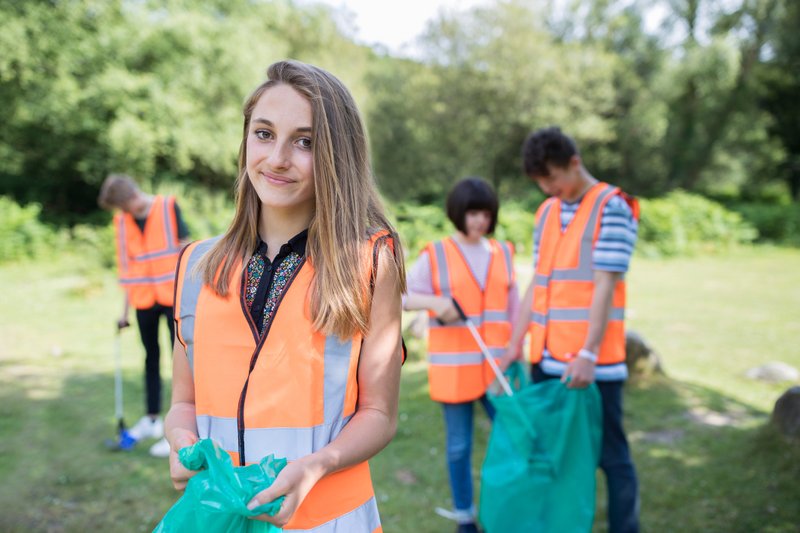
The topic of this lesson is volunteering and why more teenagers are deciding to give up their free time for a cause they believe in and how it can benefit them to do some volunteer work. Students read an article about the benefits of volunteering and skills teenagers can develop from doing it. Students will take part in a roleplay between prospective volunteers and employers and also get the chance to write an email to apply for a volunteer role. In addition to this, students have an extra real-world project of researching an organization they would be interested in working for as a volunteer (by Richard Moon).

  • CLICK HERE to download the student’s worksheet in American English.
  • CLICK HERE to download the teacher’s lesson plan in American English.
  • CLICK HERE to download the student’s worksheet in British English.
  • CLICK HERE to download the teacher’s lesson plan in British English.
  • CLICK HERE to download/listen to the audio (Am/Br English).

AUDIO TRANSCRIPT

Markus (USA): I work at a community animal shelter. I work with the horses and donkeys there. Many of the animals were abandoned by their owners and rescued because they were treated badly. I go for an hour every morning to clean and feed them and on Sunday I give free horse riding classes to local children. I love being with the animals and the children. Some of the kids are getting better from being very sick, so it’s fantastic to see them happy. It can be difficult to get up so early, but I think moving my body gives me more energy later in the day. It has helped me to think about my future, too. I definitely want to work outside and with animals when I’m older.
Katya (UK): My school had a volunteering week, where lots of organisations came and talked to us about what they did and how we could help. I learned that lots of older people in my area feel lonely and don’t have many friends and sometimes feel too scared to go out on their own. So, I joined Helping Hand. I go to a member’s home or for a walk in the local park. We play chess or meet others for a card game or just take a walk around. Some of them have little vegetable gardens, and I go and help them with some digging. I thought spending time with the older generation might be boring, but I have learned so much from the people I have spent time with. It’s a lot of fun and I feel good doing it, too.
Giovanni (UK): I saw that an area of my local beach was getting really polluted and I wanted to do something about it so I set up a plogging group. Plogging is a strange word for jogging and picking up litter. We run every Saturday and pick up rubbish as we go, finishing our run at the recycling centre. The real benefits were how healthy I was getting and how beautiful the beach looked. Then something big happened. We invited our science teacher to tell us about the river and the plant life in it. She brought some tests, and we found some chemical pollution in the river! Our group and our school’s parent association wrote to the local newspaper. They reported on it and the factory stopped the pollution and said sorry! We had a party on the beach to celebrate. (We cleaned up after ourselves, of course).
Robyn (UK): I volunteer online because I live in a rural area – our closest neighbours are over a kilometre away! I love maths so I joined an online maths group and then I saw they were looking for some volunteers to do some teaching and I thought, why not? So, about once a month I give an online lesson in something I have learned. It can be anything from measurements to division. People join the lessons from all over the world and I love connecting with them and working together to solve things. I also like that I can make a difference. Last month I suggested a maths competition and the organisation loved the idea. They’ve asked me to run the competition! It’s a bit scary but I think it’s going to be great.

Adapted from: https://www.linguahouse.com/esl-lesson-plans/english-for-teenagers/volunteering. Accessed on August 14, 2023. © 2008–2023 LinguaHouse.com. All rights reserved.

ESL WORKSHEET - Work relationships

LESSON PLAN FOR ENGLISH TEACHERS WORK RELATIONSHIPS LinguaHouse Jan. 23, 2013 Level: Elementary (A1-A2) Type of language: Business English T...